
NagaWorld Casino in Cambodia: Why Phnom Penh Has Become an Important Hub of Asian Gambling Tourism
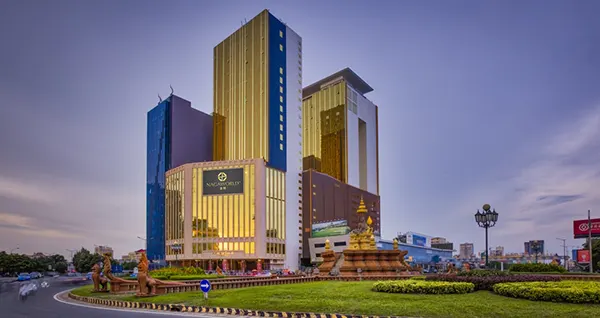
Over the past two decades, Phnom Penh has transformed from a city primarily known for its historical and cultural significance into one of the most recognised gambling destinations in Southeast Asia. At the centre of this development stands NagaWorld, the largest integrated casino resort in Cambodia. Its growth reflects broader changes in regional tourism, infrastructure investment, and entertainment demand across Asia. By 2026, the complex continues to attract visitors from neighbouring countries and international travellers who combine gaming activities with business trips, leisure tourism, and luxury hospitality experiences.
The Rise of NagaWorld and Cambodia’s Gaming Industry
NagaWorld opened in Phnom Penh in 2003 and quickly became a major contributor to Cambodia’s tourism economy. Operated by Hong Kong-listed NagaCorp, the resort expanded significantly over the years through multiple development phases, including Naga 2 and the modern Naga 3 project currently shaping the future of the complex. These investments have positioned the resort among the largest casino developments in Southeast Asia.
One of the reasons for its success is Cambodia’s relatively liberal approach to casino operations compared with several neighbouring countries. While Cambodian citizens are generally restricted from gambling in casinos, foreign visitors can legally access gaming facilities. This regulatory framework has encouraged substantial foreign investment in hospitality and entertainment infrastructure.
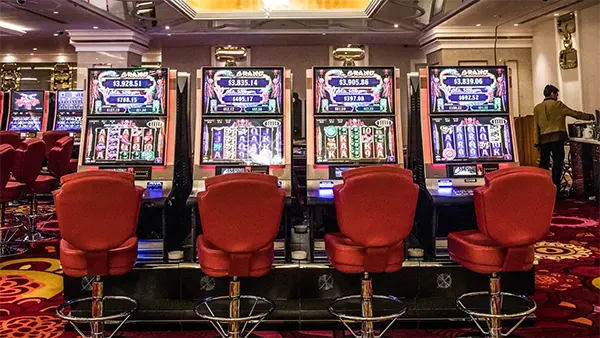
The resort itself functions as more than a casino. It combines hotels, restaurants, conference facilities, shopping areas, entertainment venues, spas, and gaming floors under one roof. This integrated approach appeals to visitors seeking a complete travel experience rather than a standalone gambling venue.
Why International Visitors Choose Phnom Penh
Accessibility plays an important role in Phnom Penh’s growing popularity. The city is connected to major Asian hubs through direct flights from countries such as Singapore, Malaysia, Thailand, China, South Korea, and Vietnam. Continued improvements in airport infrastructure have strengthened Cambodia’s ability to attract regional tourism.
Compared with some established gaming destinations, Phnom Penh often offers more affordable accommodation, dining, and transport costs. Travellers can combine entertainment activities with visits to cultural landmarks, museums, markets, and riverside attractions without the expenses commonly associated with premium gambling destinations.
Business tourism also contributes to visitor numbers. Many travellers attending conferences, trade events, and corporate meetings at NagaWorld extend their stay for leisure purposes. The combination of business facilities and entertainment options creates a diverse customer base throughout the year.
How NagaWorld Competes with Other Asian Gaming Destinations
Asia is home to several internationally recognised gambling markets, including Macau, Singapore, and the Philippines. While Phnom Penh operates on a different scale, NagaWorld has carved out its own position by focusing on convenience, accessibility, and integrated hospitality services.
Unlike Macau, which relies heavily on high-volume gaming traffic, NagaWorld attracts a broader mix of tourists, business visitors, and regional travellers. This diversification helps reduce dependence on a single customer segment and creates a more balanced tourism ecosystem.
The resort regularly updates its entertainment offerings, hotel facilities, and dining concepts to remain competitive. Modern visitors increasingly value comfort, variety, and convenience, making non-gaming attractions an important part of the overall guest experience.
The Economic Impact on Phnom Penh
The development of NagaWorld has generated significant economic activity in Cambodia’s capital. Thousands of jobs have been created across hospitality, gaming operations, maintenance, security, food services, retail, and administrative departments.
Local businesses have also benefited from increased tourist spending. Hotels, restaurants, transportation providers, travel agencies, and retail stores often experience additional demand from visitors staying in Phnom Penh for gaming and entertainment purposes.
Tax revenue and tourism-related investment have supported broader urban development projects. While economic benefits remain a subject of policy discussions, there is little doubt that NagaWorld has become one of the most influential commercial developments in the city’s modern history.
The Future of Gambling Tourism in Cambodia
As of 2026, Cambodia continues to refine its gaming regulations and tourism strategies. Authorities have introduced additional oversight measures aimed at strengthening transparency and maintaining confidence among international investors and visitors.
The continued expansion of tourism infrastructure is expected to support long-term growth. New transportation projects, airport upgrades, and hospitality developments may further improve Cambodia’s competitiveness within the regional travel market.
At the same time, the industry faces challenges such as regional competition, changing travel patterns, and evolving consumer preferences. Success will depend on balancing growth with responsible regulation and sustainable tourism development.
Why Phnom Penh Remains a Key Destination in Asian Gaming Tourism
Phnom Penh offers a combination of factors that few regional destinations can replicate. Visitors have access to large-scale entertainment facilities while remaining close to cultural attractions, historical landmarks, and authentic local experiences.
NagaWorld serves as the centrepiece of this appeal, providing accommodation, entertainment, conference facilities, dining, and gaming options within a single destination. Its integrated model reflects broader trends shaping modern tourism across Asia.
Although the regional gaming market continues to evolve, Phnom Penh has secured a recognised position on the Asian gambling tourism map. The city’s accessibility, ongoing investment, and diversified visitor appeal suggest that it will remain an important destination for international travellers in the years ahead.