Land-based Casino Helsinki (Finland): games, charity, and the formula behind its staying power
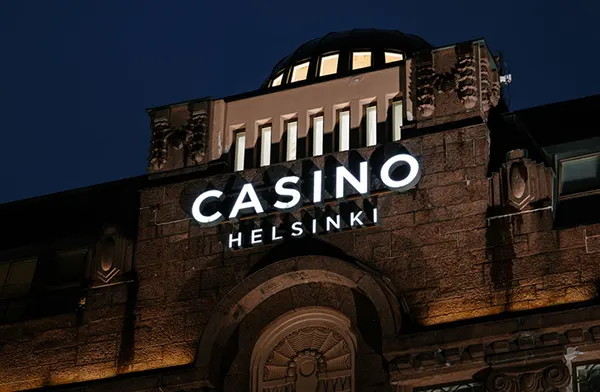
Casino Helsinki sits in the centre of Finland’s capital, a short walk from the Central Railway Station, and it operates under Veikkaus — the state-owned gambling operator in mainland Finland. In 2026, the venue is still best understood as a tightly regulated entertainment business with an unusual financial end point: once costs and taxes are covered, the proceeds ultimately feed back into Finnish society through the state system that allocates gambling proceeds. That combination — city-centre access, a broad game mix, and strict controls — explains why the casino remains relevant even as many players move parts of their play elsewhere.
What you can play at Casino Helsinki in 2026
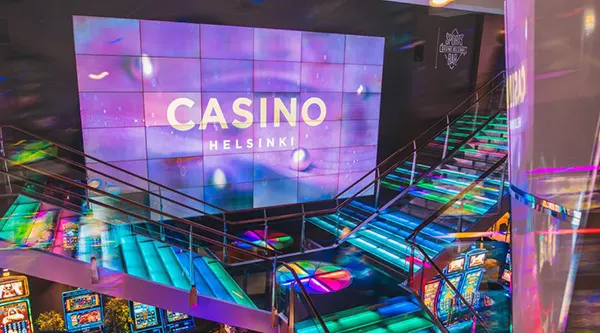
The floor mix is built around variety and familiarity rather than novelty for its own sake. Casino Helsinki reports around 300 slot machines and 21 game tables, with the poker room located on the ground floor. In practical terms, that means you can move between quick, low-friction games and longer sessions at tables without changing venue or travelling across town.
Table-game availability is designed to cover the classics people actually ask for: roulette and blackjack are the obvious anchors, while poker variants and baccarat-style games tend to fill out the schedule depending on demand and staffing. On busier evenings, the table area can feel like several small rooms in one: different limits, different paces, and different levels of interaction.
If you prefer a structured introduction, the casino also promotes “game schools” that explain rules and basic probability thinking (for example, what the odds mean in roulette or how “outs” work in poker). It’s not a shortcut to winning, but it does reduce the number of costly beginner mistakes — which is useful in a paid entertainment setting.
Poker, tournaments, and how the room is run
Poker is the part of the venue that behaves most like a community space: you play against other players, and the casino earns through a rake model rather than acting as the direct opponent. That distinction matters for anyone trying to compare poker costs with table games, because the expense is more transparent: it is linked to pots and session structure, not house edge alone.
The casino calendar regularly includes organised tournaments alongside cash games, which gives visiting players a predictable reason to come in on specific dates rather than “whenever”. Tournament schedules also make it easier for players to budget a session: buy-in, possible rebuys, and a defined end point are clearer than an open-ended cash session.
From a practical visitor point of view, poker rooms tend to peak later than the main floor. If you are planning a first visit, it can help to arrive earlier, get oriented, and sort entry formalities before the busiest hours, rather than trying to solve everything at the door when the venue is already at capacity.
Charity and public benefit: where the money is meant to go
The “charity” story around Casino Helsinki is tied to how Veikkaus proceeds are used. Veikkaus states that its proceeds are used for the common good, and that allocation decisions sit with Finnish ministries rather than being an internal corporate choice. In other words, the casino does not personally pick a handful of recipients; it feeds into a larger state framework that funds broad categories of public benefit.
That distinction is important if you want to describe the model accurately. A visitor might like the idea that spending money on entertainment can support social or cultural programmes, but the mechanism is indirect: the casino generates revenue, the operator has costs and statutory obligations, and the remaining proceeds are channelled via government decisions. This is a different story from a private venue donating a marketing-friendly share of profits to a single cause.
There is also a credibility cost to this model: it invites scrutiny. When gambling is linked to public benefit, the operator has to show that harm reduction is real rather than rhetorical, because the same system that funds good causes can also create political pressure if gambling-related harm rises.
How the Finnish system shapes Casino Helsinki’s role
In mainland Finland, Veikkaus has exclusive rights to organise most gambling under the Finnish Lotteries Act, while the Åland Islands are a separate case with Paf. That legal structure explains why Casino Helsinki has a distinct status: it is not simply “one casino among many”, but the flagship land-based casino under a monopoly model.
As of the most recent legal briefings available for 2026-facing planning, Finland has been discussing reforms that could introduce a licensing model for parts of the market, with timelines pointing toward 2026. Even if the details shift, the direction of travel matters: Casino Helsinki operates in a landscape where regulation, harm prevention, and market structure are actively debated, not frozen in time.
For readers, the useful takeaway is simple: Casino Helsinki’s “public benefit” narrative is not only about generosity. It is a structural feature of how gambling is organised in Finland, and it affects everything from compliance expectations to how responsible gambling tools are implemented on the ground.
The formula behind its staying power: location, controls, and the on-site experience
Start with geography. The casino is positioned in central Helsinki, close to key transport links, which lowers the friction of a visit and makes it viable for both locals and travellers who are already in the city. In a northern climate, a venue that is easy to reach often wins against alternatives that require planning and extra travel time.
Then there is the “managed environment” factor. A land-based casino can control entry, monitor behaviour, and intervene in a way that is harder to replicate elsewhere. That is not a guarantee of safety, but it does create a setting where rules are visible and enforcement is immediate — which matters for a venue that sits under public scrutiny.
Finally, Casino Helsinki leans into the idea of an evening out rather than a pure gambling hall. On-site services such as a sports bar and restaurant partnerships can make the venue feel like a broader nightlife stop. That matters in 2026 because gambling is competing with many other paid entertainment options for the same discretionary budget.
Responsible gambling in practice: ID checks, limits, and support
Casino Helsinki emphasises authenticated play through a “Casino ID” model tied to Veikkaus’ responsible gambling approach. The stated goal is to keep play “on the joyful side” by enabling customers to set personal limits and by making identification part of the normal visit flow rather than an exception.
On the operational side, this links to wider Finnish policy moves such as set loss limits for certain land-based machines (Veikkaus has previously communicated implementations for slot-machine loss limits). The core idea is to add friction where harm can escalate quickly, without turning the venue into a bureaucratic obstacle course for everyone.
If someone feels their gambling is no longer under control, the casino environment also points people toward external help services. The most responsible way to frame this is straightforward: tools and limits reduce risk, but they do not eliminate it; support services exist because some people will still need help beyond self-set controls.