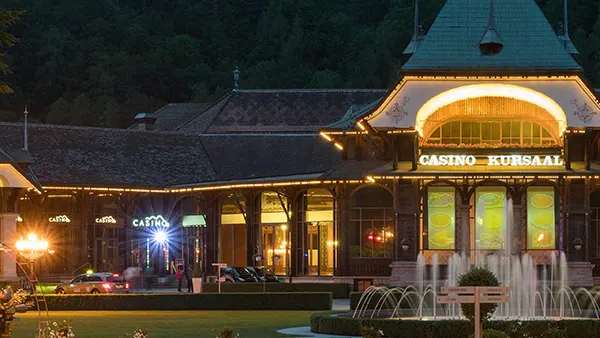
Casino Interlaken: Switzerland’s Gaming Destination Between Lakes and Alpine Peaks
Casino Interlaken stands in one of the most recognisable tourist regions in Switzerland, surrounded by Lake Thun, Lake Brienz and the Bernese Alps. Unlike many urban casinos focused purely on gaming, this venue combines gambling entertainment with the atmosphere of a historic Alpine resort town. Located inside the Kursaal Interlaken complex, the casino has become part of the wider tourism and hospitality sector of the region, attracting both Swiss residents and international visitors throughout the year. By 2026, Casino Interlaken continues operating under strict Swiss gambling regulations, offering slot machines, table games, poker events and digital gaming services while maintaining a strong emphasis on player protection and operational transparency.
The History and Development of Casino Interlaken
The origins of Casino Interlaken are closely connected to the history of the Kursaal Interlaken building, which dates back to the nineteenth century. The Kursaal initially served as a cultural and social centre for visitors travelling through the Bernese Oberland. Over time, the complex evolved into a modern entertainment venue that incorporated gaming activities under Switzerland’s tightly controlled casino licensing framework. The casino became an important part of Interlaken’s tourism identity, especially as the town gained popularity among travellers from Europe, Asia and the Middle East.
Switzerland’s gambling legislation significantly shaped the casino’s development. The Federal Act on Gambling introduced strict operational standards, requiring casinos to comply with financial monitoring, anti-money laundering procedures and responsible gaming obligations. Casino Interlaken operates legally under these national regulations and remains supervised by the Swiss Federal Gaming Board. This level of oversight has helped Swiss casinos build a reputation for reliability and structured management compared with less regulated gambling markets.
By 2026, Casino Interlaken continues modernising its gaming spaces and hospitality services. Renovations over recent years focused on combining traditional Swiss architecture with updated interiors and gaming technology. The venue now attracts visitors not only for casino games but also for restaurants, live entertainment and private events. Seasonal tourism plays a major role in visitor numbers, with winter ski tourism and summer hiking periods bringing different international audiences throughout the year.
How Interlaken’s Tourism Industry Influences the Casino
Interlaken is widely recognised as one of Switzerland’s main resort destinations, and this directly affects the casino’s customer profile. Unlike casinos located in major financial centres, Casino Interlaken serves a highly international audience. Tourists arriving from Germany, France, Italy, the United Kingdom, Gulf countries and Asian markets often visit the casino as part of broader holiday itineraries that include mountain excursions, luxury hotels and outdoor activities.
The surrounding environment also shapes the atmosphere of the venue. Visitors frequently combine casino evenings with sightseeing around Jungfrau Region attractions, including Harder Kulm, Grindelwald and Lauterbrunnen. This creates a different rhythm compared with metropolitan casinos where gambling is often the primary purpose of the visit. In Interlaken, the casino forms one component of a broader leisure experience connected to Alpine tourism and hospitality.
Local economic impact remains important as well. The casino contributes to employment within hospitality, security, food service and tourism sectors. Restaurants, hotels and transport businesses in the region benefit from year-round tourist traffic linked partly to entertainment venues such as the casino. Swiss tourism authorities also continue promoting Interlaken internationally as a premium travel destination, indirectly supporting casino visibility among foreign visitors.
Gaming Options and Casino Facilities in 2026
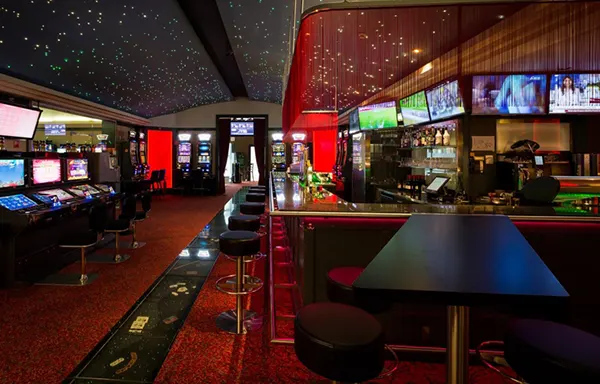
Casino Interlaken offers a mixture of classic table games and modern electronic gaming machines. Visitors can typically access roulette, blackjack and poker alongside a large selection of slot machines from internationally recognised software suppliers. Swiss casinos are known for maintaining high technical standards, and Casino Interlaken regularly updates its gaming catalogue to reflect changing player preferences and regulatory requirements.
Slot gaming remains the dominant segment within the casino. Machines feature progressive jackpots, themed video slots and multilingual interfaces designed for international guests. The venue also includes electronic table game terminals for players who prefer lower betting limits or faster gameplay. Swiss gambling rules require certified gaming systems, meaning all machines and digital systems undergo regular inspections and compliance checks.
Poker events continue attracting both local and foreign participants. Tournament schedules vary seasonally, with some events linked to tourism peaks in the region. Casino Interlaken also integrates food and beverage services into the overall customer experience. Restaurants and bars inside the Kursaal complex provide dining options ranging from casual meals to more formal Swiss and international cuisine. This combination of gaming and hospitality remains central to the venue’s business model.
Digital Gambling and Online Services Connected to Swiss Casinos
Since Switzerland legalised regulated online casino gambling for licensed operators, traditional casinos such as Casino Interlaken have adapted to digital expansion. By 2026, Swiss land-based casinos increasingly operate online gaming services connected to their physical brands. These services typically include digital slots, live casino tables and mobile-compatible gaming interfaces accessible within Swiss regulatory boundaries.
Swiss authorities continue maintaining one of Europe’s stricter regulatory approaches toward online gambling. Licensed operators must implement identity verification systems, spending controls and responsible gaming tools. Players using online services connected to Swiss casinos are subject to monitoring designed to reduce gambling-related harm and prevent financial crimes. These measures distinguish the Swiss market from offshore gambling environments with weaker consumer protections.
Casino Interlaken’s digital presence also supports tourism marketing and event promotion. Visitors can access tournament schedules, restaurant reservations and venue information online before arriving in Switzerland. Mobile accessibility has become increasingly important for international tourists planning travel itineraries, especially those combining casino visits with Alpine holidays and luxury accommodation packages.
Responsible Gambling and Swiss Regulatory Standards
Responsible gambling policies remain central to Swiss casino operations, including at Casino Interlaken. Swiss legislation obliges licensed casinos to identify problematic gambling behaviour and intervene when necessary. Employees receive training to recognise signs of addiction, financial distress or compulsive gambling patterns. These measures reflect the broader Swiss approach to public health and consumer protection within regulated gambling environments.
Self-exclusion systems represent one of the most important regulatory tools used in Switzerland. Individuals experiencing gambling-related difficulties can voluntarily request exclusion from casinos, while operators also have the authority to impose mandatory restrictions in certain situations. These exclusion databases apply nationally across licensed Swiss casinos, meaning restrictions are not limited to a single venue.
Financial transparency and anti-money laundering compliance are also heavily enforced. Casinos in Switzerland must monitor suspicious transactions, verify customer identities and cooperate with federal oversight authorities. Casino Interlaken follows these national requirements as part of its licensing obligations. By 2026, Swiss regulators continue strengthening digital monitoring systems and compliance reporting procedures across both land-based and online gambling sectors.
The Future of Casino Tourism in Switzerland
Swiss casino tourism continues evolving alongside broader travel trends. Interlaken remains particularly well positioned because it combines natural scenery, luxury hospitality and entertainment within one destination. International tourism recovery after earlier global travel disruptions has contributed to renewed visitor growth across Swiss resort regions, including casino venues connected to premium tourism infrastructure.
Environmental sustainability has also become more visible within Swiss hospitality and entertainment sectors. Hotels, restaurants and casinos increasingly implement energy efficiency programmes, waste reduction initiatives and regional sourcing strategies. Visitors travelling to Alpine destinations are paying closer attention to environmental standards, especially in regions dependent on preserving natural landscapes and tourism appeal.
Casino Interlaken’s future likely depends on balancing tradition with technological development. Physical casinos continue facing competition from online gambling services, but destinations with strong tourism appeal retain advantages that purely digital operators cannot replicate. The combination of Alpine scenery, historic architecture, regulated gaming and international hospitality gives Casino Interlaken a distinctive position within the Swiss gambling industry as of 2026.